
Key Takeaways:
How can structured routines help students manage their time better?
- Structured routines help students plan their daily academic work with greater clarity, making it easier to manage assignments, revision, and responsibilities.
- Daily PACE goals teach students to estimate effort, allocate time, and complete tasks step by step, rather than feeling overwhelmed by their workload.
- Weekly and term milestones help students prioritise urgent tasks while staying focused on longer-term academic progress.
- Supervised reflection and home study routines support better learning habits, helping students build practical time management skills.
Introduction
Students are often told to study harder, but many are not shown how to study well. Good habits are not developed overnight. They are built gradually through clear routines, repeated practice, careful feedback, and the ability to reflect on what is working.
For students in Singapore, academic expectations can feel demanding at different stages of education. Younger learners may need help with attention, reading, writing, and completing daily work. Older students may need stronger planning, self-testing, time management, and subject mastery. Adult learners or students returning to foundational learning may also need structured support to rebuild confidence and consistency.
At TLS Academy, students are guided through an individualised and holistic learning environment from Grade 1 to Grade 12. Through the PACE (Packet of Accelerated Christian Education) system, learning is broken into manageable units so students can progress at a suitable pace while developing responsibility and confidence. This approach helps students learn good study habits in a way that supports both academic performance and personal growth.
How Can Students Build Strong Study Routines From The Early Years?
Daily PACE Tasks Help Students Connect Effort With Progress
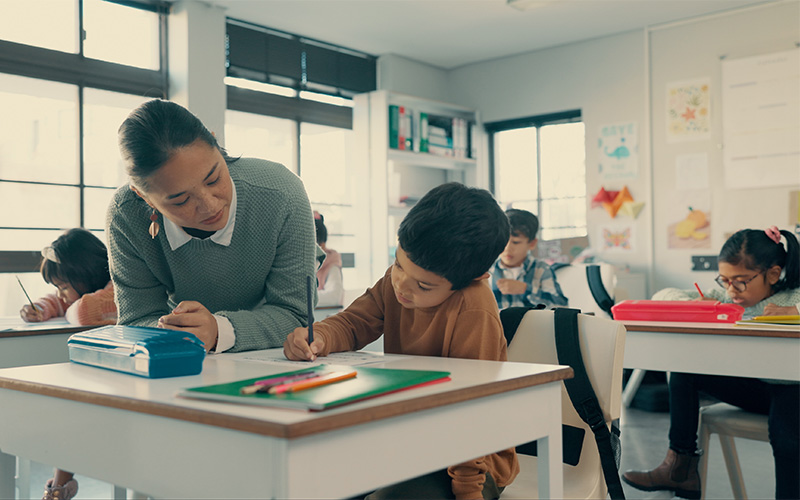
Younger students usually need visible structure before they can manage learning independently. Simple daily tasks, such as completing reading practice, answering basic mathematics questions, reviewing vocabulary, or finishing short written assignments, help children understand that progress comes from regular effort.
At the primary level, this consistency matters because children are still forming their relationship with learning. When tasks are clear and achievable, students are more likely to stay focused and less likely to feel overwhelmed. Over time, they begin to associate daily effort with improvement.
This is where structured academic routines become valuable. At TLS Academy, PACE tasks guide students through smaller learning units, allowing supervisors to monitor completion and provide encouragement. Students are not simply rushing through work. They are learning how to follow a process, complete tasks carefully, and build confidence through measurable progress.
For parents comparing private primary schools in Singapore, this kind of structure can be especially meaningful for children who need a more individualised pace. A child who struggles in a large classroom may benefit from closer supervision, clearer learning steps, and a calmer environment where good habits can develop steadily.
Repetition And Recall Strengthen Foundational Learning
In the early years, strong study habits often begin with attention, repetition, and recall. Students may need to reread a short passage, practise spelling, review basic arithmetic, or complete quick self-checks to confirm understanding. These small actions may seem simple, but they create the foundation for deeper learning later.
The PACE system supports mastery-based practice by encouraging students to revisit concepts until they understand them more clearly. This reduces the risk of moving ahead with weak foundations. It also helps students see mistakes as part of learning, rather than as signs of failure.
When students learn good study habits early, they become more prepared for the demands of later education. They are not just memorising answers. They are learning how to pay attention, follow instructions, check their work, and accept guidance. These habits support academic development as well as confidence in the classroom.
How Do Study Habits Change As Students Move Into Higher Grades?
Secondary Students Need More Independent Planning
As students progress into secondary education, their workload becomes more complex. They need to manage multiple subjects, longer assignments, assessments, and more independent revision. At this stage, study habits must move beyond completing daily tasks. Students need to plan, prioritise, self-check, and adjust their strategies when results show areas of weakness.
At TLS Academy, secondary students continue to work through PACE tasks, but the expectations gradually become more advanced. They learn to track their completion, identify gaps, and take greater ownership of their progress. This supports self-discipline in learning because students begin to understand that responsibility is built through consistent choices, not last-minute effort. These self-regulation skills help learners plan their work, monitor progress, and adjust their study approach as academic demands increase.
This approach is especially useful for students preparing for assessments or those who may have experienced academic or social challenges in other school settings. Instead of expecting every learner to move at the same speed, TLS Academy’s individualised model allows students to progress according to their performance level and motivation.
Among Christian independent schools, TLS Academy’s approach combines academic structure with a caring learning environment. Students are supported not only in their studies, but also in their social, emotional, and personal development.
Feedback Helps Students Refine Their Learning Methods
Feedback plays a different role at each stage of education. Younger students may need frequent correction, reminders, and reassurance. Older students need feedback that helps them analyse their own work, understand patterns of mistakes, and plan corrective steps.
In secondary grades, effective feedback may involve reviewing completed PACE work, identifying weak concepts, revisiting difficult topics, or improving time management. This helps students understand that academic progress is not based only on effort, but also on using the right strategies.
This is how students learn good study habits that are sustainable. They begin to recognise which methods help them remember information, apply concepts, and complete assessments more accurately. For example, timed problem-solving may help one student improve focus, while self-testing may help another strengthen recall before an exam.
Among private schools in Singapore, families often look for learning environments that provide structure without ignoring individual needs. TLS Academy’s holistic approach supports students academically, socially, and psychologically, which can be helpful for learners who need both accountability and encouragement.
Why Is Reflection Important For Long-Term Academic Growth?
Students Improve When They Understand Their Own Progress
Reflection helps students move from simply completing work to understanding how they learn. A younger student may reflect by answering simple questions, such as what helped them finish a task or which part felt difficult. An older student may review progress across subjects, compare assessment results, and adjust study techniques.
This process helps students develop stronger study habits because they become more aware of their strengths and weaknesses. Instead of repeating the same ineffective methods, they can change their approach based on evidence.
At TLS Academy, reflection works alongside PACE progress, supervision, and feedback. Students are encouraged to take learning seriously while receiving support that matches their stage of development. This allows habits to become more personalised and practical over time.
Responsibility Grows Gradually Across Each Stage
Students do not become independent learners all at once. Younger learners first need routines, reminders, and close guidance. As they mature, they can take on more responsibility, such as planning their daily workload, checking completed tasks, managing several subjects, and preparing more intentionally for assessments.
This gradual shift is important because independence should be developed, not forced. When students receive the right level of support at each stage, they are more likely to build confidence instead of feeling pressured or left behind.
Through individualised pacing, mentoring, and structured academic support, TLS Academy helps students learn good study habits that can carry beyond school. These habits are useful not only for academic assessments, but also for post-secondary education, certification pathways, adult learning, and lifelong skill development.
Conclusion
Students develop effective learning habits when they are supported with structure, accountability, feedback, and time to reflect. From primary foundations to secondary independence, each stage of education requires a different level of guidance. What matters most is that students are not left to figure everything out on their own. At TLS Academy, the PACE system, individualised learning, and holistic student support help learners learn good study habits through steady, measurable progress.
Contact TLS Academy to learn how an individualised learning environment can support your child’s academic growth, responsibility, resilience, and confidence at every stage of education.