
Key Takeaways:
What should families look for in a holistic education approach in Singapore?
- A meaningful holistic education approach should support academic learning alongside responsibility, discipline, and character development, rather than treating them as separate goals.
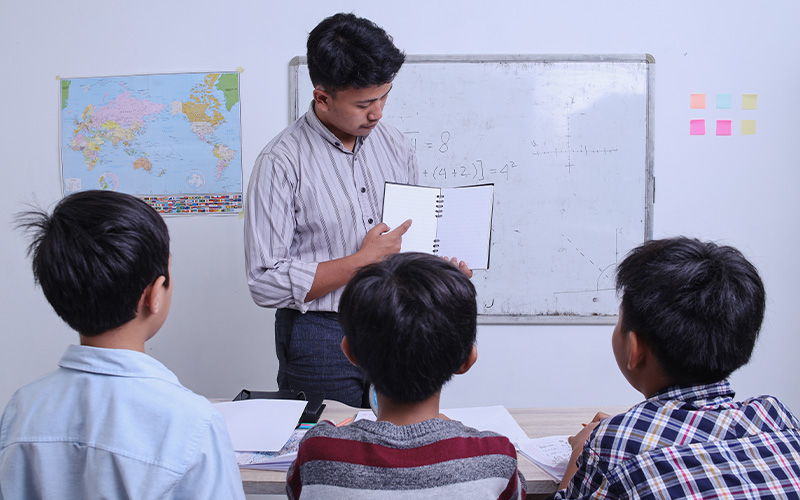
- At TLS Academy, this is reflected through a structured learning environment where students are guided through daily expectations, clear routines, and consistent academic accountability.
- Responsibility and character are developed through how students manage work, respond to guidance, and build habits that support steady progress over time.
- Families should look beyond broad claims and assess whether a school shows visible structure, measurable progress, and a clear connection between values and academic development.
Introduction
For many families, especially those navigating the highly academic landscape of Singapore, holistic education becomes more important when academic results alone no longer feel sufficient. Parents may start asking whether a child is also developing responsibility, discipline, and the habits needed to learn consistently over time. These concerns often become more pressing when a student needs clearer routines, closer guidance, or a more structured path for progress.
At its core, a practical understanding of holistic education in a school context refers to the development of both academic ability and personal discipline, where knowledge, behaviour, and learning habits are shaped together through structured guidance.
At TLS Academy, this is approached through structured academic learning rather than broad or abstract ideas about development. Responsibility, character, and learning growth are not treated as separate from schoolwork, but are built through how students study, respond to expectations, and move forward within a guided learning environment.
What does a holistic approach look like in practice?
Families often hear the word “holistic” used in a very broad way, but in a school setting, its effectiveness should be visible in the daily learning process. That includes how students manage tasks, follow routines, and build habits that support steady academic progress.
At TLS Academy, this kind of development is reflected through a structured learning environment that integrates learning, behaviour, and progress together over time.
For parents researching private schools in Singapore, this distinction matters. A school’s approach becomes more meaningful when support, expectations, and student development can be seen clearly in everyday learning rather than described only in broad terms.
How is responsibility developed through daily learning?
Responsibility is usually formed through repetition. When students are expected to complete work, stay consistent with routines, and take learning seriously each day, they begin to develop a stronger sense of ownership over their progress. In this way, responsibility becomes part of the learning process itself rather than something taught only in theory.
This is especially important for learners who may need more structure or who have developed uneven academic habits over time. A guided environment helps students return to core expectations, work more consistently, and build strong learning habits that support improvement.
Parents often look for signs that responsibility is being formed in practical ways, not simply spoken about as a value. That is why structure, supervision, and follow-through matter so much in a school setting.
How does character development support academic growth?
Character development has a direct effect on learning. Qualities such as perseverance, attentiveness, self-discipline, and respect influence how students respond when work becomes difficult or when progress feels slow. These traits often shape whether a learner remains steady, accepts correction, and continues working through challenges.
At TLS Academy, character development is more meaningful when it is reinforced within the learning environment itself. Students are not only expected to learn academic content, but also to develop the conduct and discipline needed to engage with that learning properly. This creates a stronger link between personal formation and academic consistency.
This is often an important consideration for parents reviewing Christian international schools in Singapore, particularly when they want values and academic discipline to be reinforced together in daily school life.
How is learning development strengthened over time?
Learning development is strongest when students receive structure, guidance, and clear expectations over time. Progress is easier to sustain when learners understand what is required, where they need improvement, and how their efforts connect to results. Without that structure, growth can become uneven, especially for students who need stronger foundations.
At TLS Academy, a more guided academic setting helps students build understanding step by step. This supports steady academic progress by helping learners work through gaps, develop consistency, and move forward with greater confidence. For many families, this is one of the clearest ways to evaluate whether a school’s holistic approach is genuinely supporting learning development.
How can families assess holistic education claims more carefully?
Parents should look beyond broad language and ask what holistic education actually looks like in practice. A useful starting point is to consider whether the school has clear routines, visible expectations, guided support, and meaningful ways of showing student progress. These elements make it easier to judge whether development is being supported in a structured and credible way.
This is particularly relevant for families exploring Christian independent schools. A credible approach should do more than sound balanced. It should show how values, learning expectations, and student development are reinforced together in a way that is visible over time.
Conclusion
A meaningful approach to holistic education in Singapore should not separate academic learning from responsibility, character, and personal growth. At TLS Academy, these areas are strengthened through a structured learning environment where students are guided closely, expected to stay accountable, and supported in building lasting academic habits.
Contact TLS Academy to learn how its structured and measurable approach to everyday learning can support your child’s holistic development with greater clarity and purpose.